Pages

Search This Blog

Wednesday, August 4, 2021

My Science Investigation

 My Science Investigation


Carefully read and understand this recording and planning guide so you are systematic in scientific thinking, experimenting, recording and interpreting. 


Follow logically through each section so you are thorough in your science investigation steps. 


Complete each section with details needed so you have carefully log your project...and so an outsider can know and understand too.


1

My science investigation TOPIC

Senses of the tongue


2

My investigation question

Can my tongue in the blind test still know the taste?

Is any role in my eyes in tasting

Hypothesis - 

Does everyone have the same type of taste buds

  • I think everyone has different taste buds because everyone likes different things. 


3

Background research and knowledge I will explore as a backdrop to my investigation


Taste Buds

Taste buds are sensory organs that are found on your tongue and allow you to experience tastes that are sweet, salty, sour, and bitter. ... Those tiny hairs send messages to the brain about how something tastes, so you know if it's sweet, sour, bitter, or salty.


Taste sensitivity 

Taste sensitivity can be defined as the minimum concentration at which the subject is able to perceive a specific taste quality, such as sweet, sour, salty and bitter\


4

Aim of my investigation

Aim: Find all my investigation question


5

My investigation steps

Materials / resources / people:

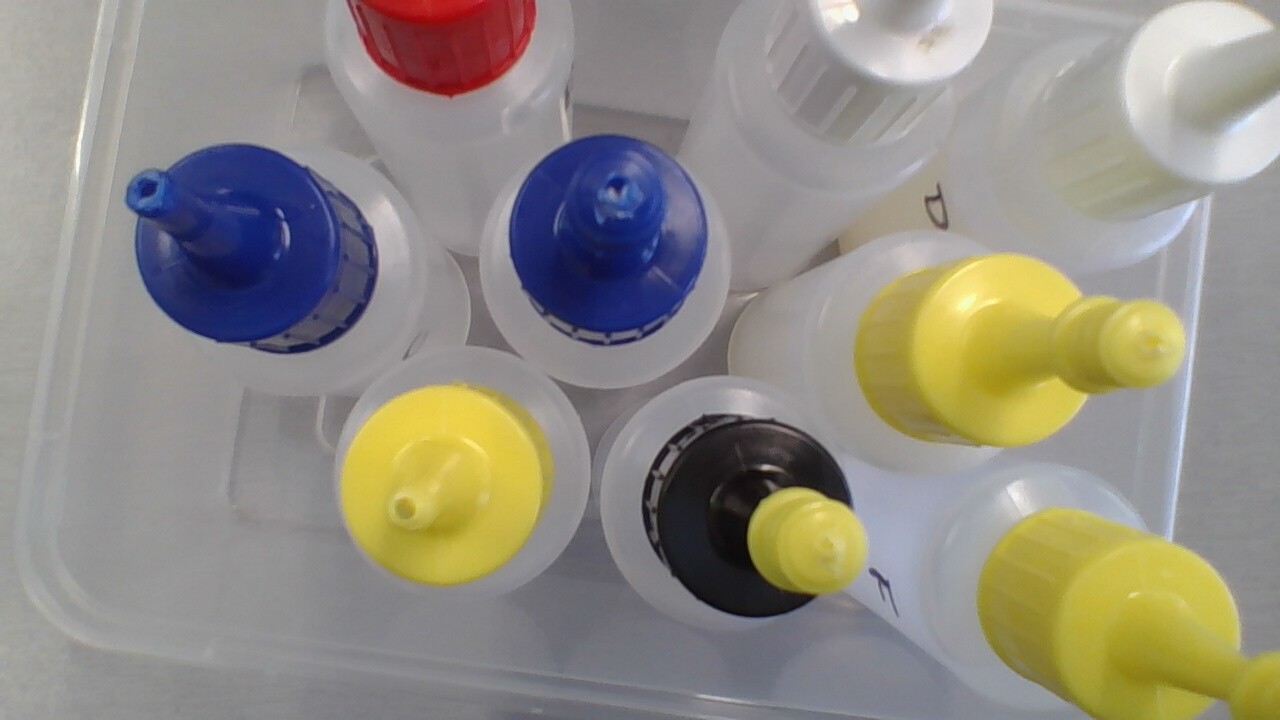
Nine different type of solutions and spoons


STEP 1

Get solution and spoons ready


STEP 2

Squirt 1 drop of solution onto spoons


STEP 3

Taste


STEP 4

Write down results 


6

My possible recording method


Data collection table

Photos and videos


7

RESULT

  1. I can taste the liquid in the blind test (sourness, bitterness and sweetness)

  2. My eyes play no part in tasting.

  3. I think everyone has different taste buds because everyone like different things. 


The Petitions of The Lords Prayer.


A Petition is a formal request to God. The Lord's prayer is most famous traditional prayer that has been said a long time ago and Catholics carrying it on.  

Wednesday, July 28, 2021

Technology/Topic 8 - Acids & Bases.

 Topic 8 - Acids & Bases

Background:

It is important that I understand the basics of pH before beginning this topic


  1. What is pH? - pH is a measure of how acidic/basic water

  2. How do you measure pH? - The pH can be measured using litmus paper or colorimeters

  3. What is the scale pH is measured on? - 

Task 2 - Notes

Ph scale only goes up to 14 no more, 


  1. Baking Soda. 

  2. Cleaning Powders. 

  3. Soap.

  4. Toothpaste

  5. Shampoo


  1. yogurt

  2. Vinegar

  3. lemon juice

  4. apples 

  5. Orange


Aim: Test the pH levels in the different household products.

Products: 

Baking Soda

Distilled water

Toilet bowl cleaner

Lemon juice

Milk 

Orange juice

Apple Juice

Detergent

Tea/Coffee 

Vinegar.

Equipment:

Well plate

Litmus Paper 

pH chart/table 1 to 14

Dropper

Red Litmus Paper is Acid - 

Blue Litmus Paper is Base

Neutral - stays the same

Blue Litmus Paper put in acid turns red

Red Litmus Paper put in base turns blue

Substance 

Acide/Base

(Prediction)

Colour changes from?

(Litmus paper is Blue )

Result

(Acid/Base)

Detergent

Base

7

Neutral

Vinegar 

Acide

1

Acid

Lemon Juice 

Acide

1

Acid

Apple Juice

Acide 

1

Acid

Orange Juice

Acide

1

Acid

Window cleaner

Base

14

Neutral

Toilet cleaner

Base

7

Base

Distilled Water

Neutral

7

Neutral

Milk

Neutral

7

Neutral

Tea

Neutral

3

Acid

Baking Soda

Neutral

12

Neutral


Method: 

Tested the Blue and Red Litmus paper in Acid, Base and Neutral liquids to see if the would changer colour or not and used the pH scale to see what colour they were so that we could tell if it was base, neutral or acid


Wednesday, July 7, 2021

Topic 7 - Omosis and Transpiration in Plant.

 Topic 7: Omosis and Transpiration.

Task 1 

Photosynthesis - Food

Co2 + H20 Sunlight Sugar + o2 

Source of carbon - humans & animals 

Roots absorb water

Phloem is a special type of cell to distribute food/sugar to different parts of a plant. 

Stomata are tiny pores on leaves to help absorb Co2 


Celeri & Food Colouring Experiment:

See water movement from roots to the leaves through xylem. 


Supplies for experiment:

  1. Celeri

  2. Water

  3. Conical flask

  4. Food Colouring


Method: 

Fill a Conical Flask with approximately 200 mls of water.

Then taking any food colouring of your choice and adding 10 drops to the conical flask filled with water. You then take 2 pieces of celery, cut equally and add to your conical flask and stir, then take a clear plastic bag and wrap it around the leaf, then you twist it using a twist tie.


Observation: 

What I am going to see as an outcome from this experiment is hopefully the xylem by the water moving to the leaf.


Wednesday, June 23, 2021

Topic 5: Flower Power!

 Topic 5: Flower Power!

Task 1

Learning Goal: 

  1. Know the parts of the flower and what the function (what they do and why) of each part is.

  2. Be able to dissect a flower, arrange it’s parts and collate on an information sheet.

  3. Complete a scientific diagram of a flower

  4. Be able to speak about the above. 


When I notice a flower I think of it as a blooming beautiful creation

When I see a flower I notice the beautiful colour, the long stem


Task 2 - Dissecting a Hibiscus Flower

Aim

To carefully dissect a hibiscus flower and bud to identify and collate the flower and bud parts.


Material and Equipment

  1. One newly opened hibiscus flower

  2. One bud at early stage of becoming a flower

  3. A small knife or scalpel 

  4. A sheet of A3 paper

  5. Tweezers 

  6. Glass slide and cover slip 

  7. Microscope

Method:

We put the flower on the cutting board 

Cut the straight line on through the flower and see the style.

We see all the parts then with help of toothpick, we see the pollen tube


Friday, June 18, 2021

What I have read so far . . . . . . .

Learn: I'm developing a love of reading!

Friday, June 11, 2021

Our Amazing Plants and their medical uses.

 Learn: To explore Rongoa in more depth and see if you can pair our amazing plants with their medical uses. 

Before:

After: